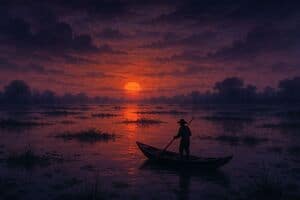
Boga Lake is one of the most talked-about natural sites in Bandarban, Bangladesh, not only because of its beauty but because of the stories that surround it. Sitting high in the hills, the lake appears calm and scenic to modern travelers. Yet in local storytelling, it is much more than a postcard destination. The Boga Lake dragon legend describes the lake as a place shaped by a powerful supernatural being, often imagined as a dragon or serpent-like creature that once lived in the mountains.
Like many enduring folk legends, this one works on two levels. On the surface, it is a dramatic tale about a mysterious body of water. At a deeper level, it helps explain landscape, danger, memory, and respect for nature. In the same way that ancient cultures used stories to explain volcanoes, storms, or unusual rock formations, the people connected to Boga Lake used myth to make sense of a striking and unusual place.
This article explores what the legend is, why it has lasted, how it connects with local culture, and why visitors still find it so compelling today.
The Ancient Bawm Legend of Boga Lake
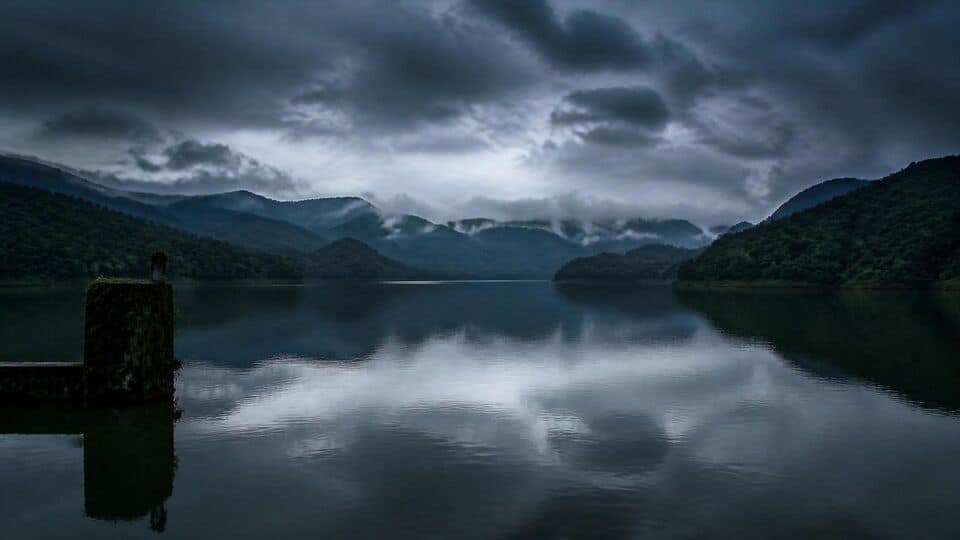
The roots of the story are often connected to the Bawm and other Indigenous communities of the Chittagong Hill Tracts. In oral tradition, Boga Lake was not simply formed through ordinary natural processes. Instead, it was created after a violent encounter involving a terrifying creature that lived in or beneath the mountain.
In many retellings, the being is described as dragon-like. In South Asian folklore, that does not always mean a fire-breathing dragon in the European fantasy sense. It may be closer to a giant serpent, spirit beast, or mountain guardian. The important point is not its exact anatomy, but what it represents: untamed power hidden inside nature.
An easy analogy is to think of the legend as a cultural map. Just as a warning sign tells hikers where danger may lie, a myth can teach a community how to think about a place. The legend signals that the lake is beautiful, but not ordinary; inviting, but deserving of caution.
The Dragon Myth and the Lake's Creation
According to popular versions of the story, a massive dragon or serpent-like creature once dwelled in the area, harming people or livestock and creating fear among nearby villagers. Eventually, the creature was killed, driven away, or destroyed by supernatural force, depending on the version being told. After that violent event, the ground collapsed or the mountain opened, and water filled the space, forming what is now known as Boga Lake.
This is a classic mythic pattern found across the world: chaos first, landscape second. A monster is defeated, and the land changes forever. In Greek myth, heroes battle beasts. In East and Southeast Asian traditions, dragons shape rivers, rainfall, and mountains. The Boga Lake dragon legend fits this global pattern while remaining distinctly local in tone and setting.
For listeners, the story serves a practical purpose too. A deep mountain lake can seem sudden and uncanny, especially in a rugged highland environment. Before scientific explanations became widespread, a dramatic origin story would have felt emotionally satisfying. Rather than seeing the lake as random, the legend gives it intention and memory.
Mysterious Water Color Changes in Boga Lake
One reason the legend continues to thrive is the lake’s appearance. Visitors have long remarked that the water can look different depending on light, season, weather, and viewpoint. At times it may seem blue, green, gray, or dark and reflective. To a scientific observer, those shifts can be explained by depth, sediment, cloud cover, algae, and the angle of the sun. To a storyteller, however, those changing colors suggest mood, spirit, or hidden life below the surface.
This is where myth and observation blend together. Imagine looking at a lake that seems calm in the morning and strangely shadowed by afternoon. Even without believing in dragons literally, it is easy to understand why earlier communities treated the water as mysterious. The color changes become part of the legend’s staying power, almost like the lake is continuing to perform its own story.
As an example, modern travelers often describe natural wonders using cinematic language: haunted, magical, unreal, otherworldly. Local folklore does something similar, but in a more traditional form. The lake’s shifting appearance becomes evidence, not in a laboratory sense, but in a narrative sense, that something unusual belongs to the place.
Boga Lake dragon legend and the landscape of mystery
The landscape around Boga Lake plays a huge role in why the legend feels believable. Remote hills, steep paths, mist, silence, and changing weather all create the atmosphere needed for folklore to survive. A myth is often strongest where the environment itself feels larger than human control.
Think about how people react differently to a pond in a city park versus a lake hidden in the mountains. The first feels mapped, named, and domesticated. The second feels ancient. Boga Lake benefits from that second kind of emotional geography. Its setting invites story.
This is also why the legend is useful in travel writing, education, and cultural tourism. It turns a scenic site into a meaningful one. Without the story, a visitor sees a beautiful lake. With the story, the visitor sees a place layered with memory, fear, reverence, and identity.
Why dragon legends appear around water
Across many cultures, deep water is associated with serpents, dragons, or spirits. That is not a coincidence. Water can nourish life, but it can also hide danger. Its surface reveals little. A dragon legend becomes a symbolic way of expressing that uncertainty.
In practical terms, such stories may have helped communities teach caution to children and outsiders. Do not wander too close. Do not disrespect the lake. Do not assume calm water is harmless. In that sense, the legend functions like an old survival lesson wrapped in dramatic imagery.
Use cases for this interpretation appear in anthropology, folklore studies, and heritage tourism. Teachers can use the legend to show how oral tradition encodes environmental awareness. Travel guides can use it to deepen visitor appreciation. Writers can use it as an example of how myth transforms geography into cultural memory.
Cultural Significance and Modern Explorations
Today, Boga Lake exists in two worlds at once. It is a real destination visited by trekkers, photographers, and curious travelers, but it is also a story-space shaped by local belief. That combination is part of its lasting appeal. People may arrive for the view, yet remember the lake because of the legend.
Modern exploration does not necessarily erase older myths. In fact, it often renews them. A tourist who hears the dragon story from a local guide experiences the place differently than someone reading only a map. The lake becomes less like a coordinate and more like a chapter in a living cultural archive.
There is also a broader lesson here. Folklore should not be treated merely as superstition to be dismissed. It can preserve identity, encode history, and express emotional truths about how communities relate to land. Even when people no longer believe every detail literally, the story still matters.
Local Customs and Visitor Beliefs
Local customs and visitor behavior around legendary places often reveal how myth survives in everyday life. Some people approach such sites quietly, avoid disrespectful behavior, or repeat traditional warnings even half-jokingly. That does not mean everyone expects a dragon to emerge from the water. Instead, it shows that stories shape manners.
A helpful analogy is an old family house rumored to be haunted. Even skeptical visitors may lower their voice, avoid certain rooms, or feel uneasy at night. The power comes from atmosphere and inherited narrative. Boga Lake works in a similar way. The legend influences how people look, speak, and imagine.
How the legend enhances the visitor experience
For modern audiences, the legend adds depth to the destination in several ways:
- Cultural context: It helps visitors understand that the lake is not only scenic but meaningful.
- Memorability: Stories are easier to remember than measurements or elevations.
- Respect for place: Myths encourage a more thoughtful attitude toward local environments.
- Creative inspiration: Photographers, bloggers, and writers often use the legend to frame the lake as mysterious and iconic.
In other words, the dragon legend acts almost like an invisible guide. It shapes expectations before a person even reaches the water.
Why the Boga Lake legend still matters
The continuing fascination with this story says something important about human nature. People do not relate to landscapes through facts alone. We also relate through meaning. A myth can make a place feel alive in ways that geology by itself may not.
The Boga Lake dragon legend matters because it connects the visible and the invisible. The visible is the lake itself: highland water, dramatic scenery, a destination in Bandarban. The invisible is what people carry into it: inherited memory, symbolic fear, wonder, and respect.
For readers, travelers, and folklore enthusiasts, the legend offers more than a curious tale. It demonstrates how communities turn natural features into narrative landmarks. That process happens all over the world, but each local version reflects its own people and place. Boga Lake’s version is memorable because it combines mountain isolation, striking beauty, and the timeless image of a dragon beneath the water.
Recap
Boga Lake is far more than a beautiful hill lake in Bandarban. Through the Boga Lake dragon legend, it becomes a site of myth, warning, and cultural identity. The story of a dragon or serpent-like force creating the lake helps explain both the mystery of the landscape and the deep respect local communities have for it. Its changing waters, remote setting, and oral tradition all contribute to its enduring power.
Whether read as folklore, symbolic environmental wisdom, or simply a captivating story, the legend continues to give Boga Lake a special place in the imagination. That is the real magic of such myths: they do not just describe a place. They teach us how to see it.