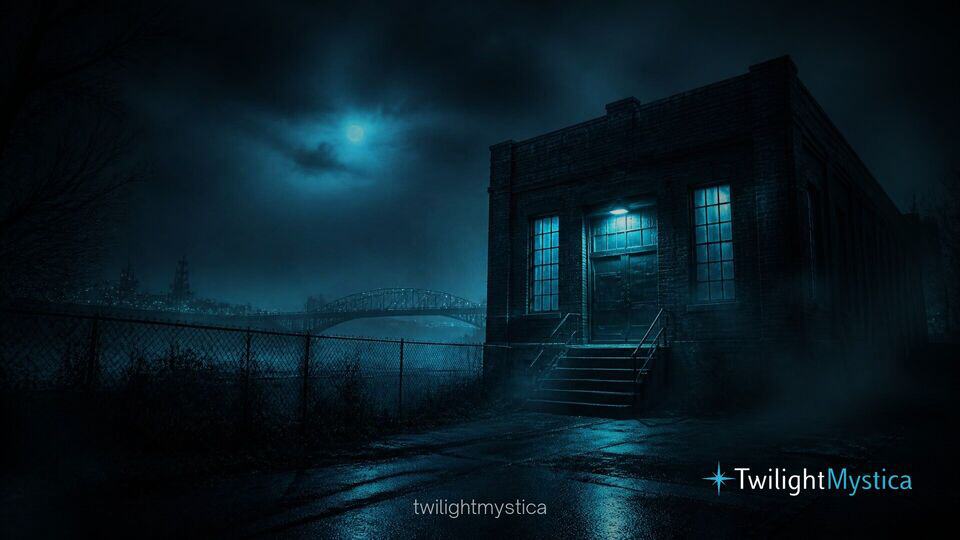
Georgetown Morgue history sits at the crossroads of documented Seattle history and enduring ghost-story lore. For many people, the name alone suggests body drawers, cold hallways, and unsolved tragedy. In reality, the building long associated with the Georgetown Morgue is better understood as a historic mortuary site in Seattle’s Georgetown neighborhood, a place where funeral preparation, grief rituals, and urban legend gradually fused together. Over time, the building’s stark architecture and unsettling reputation helped transform it from a practical business into a local mystery.
That transformation is part of what makes the site so compelling. A morgue or mortuary is, at its core, a place designed for care of the dead and support for the living. Yet when such a building survives for decades, especially in an old industrial district like Georgetown, it tends to gather stories the way brick gathers soot. Each new owner, rumor, and retelling adds another layer. The result is not just a structure, but a cultural symbol of fear, memory, and curiosity.
This article explores the origins of the site, how it functioned, why it became linked with dark tales, and why it still captures the imagination of locals and paranormal fans. Think of it like peeling back old wallpaper in a historic house: beneath the dramatic surface is a more human story about death care, changing neighborhoods, and the power of legend.
Origins of the Historic Facility
To understand the building’s reputation, it helps to begin with Georgetown itself. Long before it became known to many visitors for haunted attractions and ghostly stories, Georgetown was one of Seattle’s oldest industrial neighborhoods. Warehouses, rail lines, manufacturers, and working-class homes shaped its character. In a district built around labor and machinery, a mortuary fit naturally into the urban landscape. It served a necessary purpose, providing a place for the deceased to be prepared and for families to make funeral arrangements.
Historic mortuary buildings were often designed to appear dignified rather than overtly grim. That may sound surprising today, but it makes sense when compared to a hospital waiting room or chapel. The goal was not to frighten people; it was to create order and solemnity during emotionally overwhelming moments. In that sense, the Georgetown facility was less like a horror-movie set and more like a backstage space in a theater, where difficult work happened out of public view so families could experience a respectful final ceremony.
As Seattle expanded in the early twentieth century, specialized funeral services became more common. Instead of all end-of-life care happening in homes, commercial funeral establishments increasingly took over embalming, viewing preparation, transportation, and arrangements. Buildings associated with those services naturally became tied to moments of loss, which later made them fertile ground for stories about lingering spirits.
Funeral Preparations and Operations
The day-to-day operation of a mortuary was methodical, even if popular culture makes it seem purely macabre. Staff would receive the deceased, complete identification and paperwork, prepare bodies for burial or viewing, coordinate with cemeteries, and assist families with services. Rooms were assigned different functions, much like departments in any specialized workplace. Preparation areas were private and clinical; public rooms were intended to feel calm and ceremonial.
This practical reality matters because it reframes the building. Rather than seeing it only as a place of horror, it is more accurate to view it as part of a community support system. Just as a fire station is associated with emergency but exists to help, a mortuary is linked with death but exists to provide structure during grief. That contrast between purpose and reputation is central to Georgetown Morgue history.
At the same time, funeral work has always inspired unease. Many people rarely enter mortuary spaces, so imagination fills the gaps. A closed door, tiled room, or aging corridor can seem sinister when detached from its original function. In old buildings, ordinary features such as ventilation shafts, drainage systems, or service elevators may later be misread as signs of something more ominous.
Georgetown Morgue History and Seattle’s Changing Landscape
As decades passed, Seattle changed, and so did Georgetown. Industrial districts often go through cycles of growth, decline, reinvention, and rediscovery. Buildings that once served clear practical functions can become isolated relics when the surrounding economy shifts. That shift often changes how people interpret them. A working mortuary is seen one way; an aging, little-understood former mortuary is seen another.
In this stage, history and atmosphere begin to merge. The structure’s age, style, and association with death gave it a psychological charge. Visitors and neighbors might project onto it the anxieties of the era: fear of crime, fascination with the paranormal, or nostalgia for “old Seattle.” It is similar to the way abandoned schools or hospitals attract rumors. Once a building no longer explains itself through everyday use, people explain it through story.
This is also why the site became so attractive for seasonal haunted events and local lore. The setting already carried symbolic weight. Organizers and storytellers did not need to invent fear from nothing; they only needed to amplify what the architecture suggested. Long corridors became “shadowy passageways.” Historic workrooms became “forbidden chambers.” A building rooted in real funeral service became a stage for theatrical dread.
The Chilling Unsolved Mystery
One reason the Georgetown Morgue remains fascinating is the persistent suggestion that some deeper secret lingers behind its walls. As with many infamous sites, stories have circulated about unexplained events, tragic deaths, and unresolved episodes tied to the property or its reputation. Whether every version is factual is less important than the pattern they reveal: people are drawn to places where official history seems incomplete.
An unsolved mystery works like an unfinished sentence. The human mind wants to complete it. If records are partial, witnesses disagree, or legends contradict each other, curiosity only grows stronger. This is especially true with sites related to death, because the stakes feel emotionally larger. A warehouse with missing records is an archival problem; a mortuary with whispered rumors feels like a haunting waiting for explanation.
Examples of this pattern appear across the country. Former asylums, hotels, and funeral homes often gain reputations not simply because of documented incidents, but because of the gaps between facts. Georgetown’s dark appeal fits that model. The building’s atmosphere encourages people to connect isolated details into a larger sinister narrative, even when the truth may be more ordinary and fragmented.
Legends Surrounding the 1928 Building
The reference to a 1928 building has become part of the property’s mythic aura. Dates matter in haunted storytelling because they make legends feel anchored and specific. Once a year becomes attached to a place, it starts acting like a historical stamp of authenticity, even in retellings that blur fact and folklore. The age of the structure helps frame it as a survivor from another era, one that seems close enough to touch yet distant enough to feel unknowable.
Legends surrounding the building often follow familiar haunted-site patterns. People describe cold spots, strange sounds, uneasy sensations, apparitions, or the feeling of being watched. Skeptics may point to acoustics, expectation, old wiring, or the suggestive power of setting. Believers may see those same experiences as evidence of spiritual residue. Both reactions tell us something useful: the building functions almost like a psychological mirror, reflecting what visitors bring with them.
A helpful analogy is a historic stage prop reused in different productions. The prop itself may remain the same, but each generation assigns it a new role. In one era, the Georgetown building was a practical facility. In another, it became a symbol of neighborhood memory. In still another, it emerged as a haunted landmark. Its physical presence stayed relatively stable, while its meaning kept changing.
Why the Legends Persist
Legends persist because they serve social purposes. They entertain, warn, and create shared identity. Telling a Georgetown ghost story is also a way of participating in Seattle folklore. It lets residents and visitors feel connected to a place with texture and mystery, especially in a rapidly modernizing city where older landmarks can seem endangered or misunderstood.
There is also a more intimate reason these stories endure: death resists easy explanation. Places tied to mourning often attract narratives that imagine emotions lingering in space. Even people who do not believe in ghosts may still feel that certain rooms “hold” grief. In that sense, haunting can be understood not only as a paranormal claim but as a metaphor for memory that refuses to fade.
Visiting the Infamous Landmark
Today, interest in the Georgetown Morgue often comes from several overlapping groups: local history enthusiasts, architecture lovers, paranormal fans, and seasonal thrill-seekers. Each approaches the site differently. A historian might focus on the neighborhood’s development and funeral industry practices. A ghost-tour visitor may arrive looking for chills. A photographer may be drawn to the stark visual language of brick, shadow, and industrial decay.
These different use cases explain why the building remains relevant. It is not just a relic; it is a lens through which people explore Seattle’s relationship with mortality, preservation, and storytelling. For example, a teacher discussing urban folklore could use Georgetown as a case study in how communities create legends. A travel writer could present it as part of the city’s darker heritage trail. A paranormal investigator might use it to compare reported phenomena with environmental explanations.
If you visit such a place, context matters. It is worth remembering that behind every dramatic retelling lies the real history of death care and grieving families. Respect should come before spectacle. In practical terms, that means separating theatrical haunted-house experiences from the actual historical significance of the site. The chills may be part of the draw, but the deeper value comes from understanding why the building existed in the first place.
What the Site Represents Today
In modern Seattle, the Georgetown Morgue represents more than one story at once. It is a neighborhood landmark, a subject of haunted lore, and a reminder of how cities store memory in their older structures. Some buildings celebrate progress; others preserve discomfort. This one does both. Its endurance invites people to confront a topic modern life often hides: what communities do with death, and how those spaces are later remembered.
That is why the site continues to fascinate even people who never step inside. It occupies a rare category of urban landmark where history, imagination, and emotion overlap. Like a photograph developed in a darkroom, its image becomes clearer and stranger the longer you study it.
Recap of Georgetown Morgue History
The story of the Georgetown Morgue is not just about fear. It is about a historic Seattle mortuary site shaped by the practical demands of funeral service, the industrial identity of Georgetown, and decades of retelling that layered mystery onto reality. The building began as a functional space connected to loss and ritual. Over time, its architecture, age, and atmosphere helped turn it into a symbol of haunting and unresolved memory.
Understanding Georgetown Morgue history means looking past the sensational surface without losing sight of what makes the place compelling. It is both a real historical site and a container for legend. That dual identity is exactly why it endures. Some people visit for frights, some for history, and some for the strange feeling that certain buildings remember more than they say. In Seattle, few landmarks embody that tension more vividly than the Georgetown Morgue.