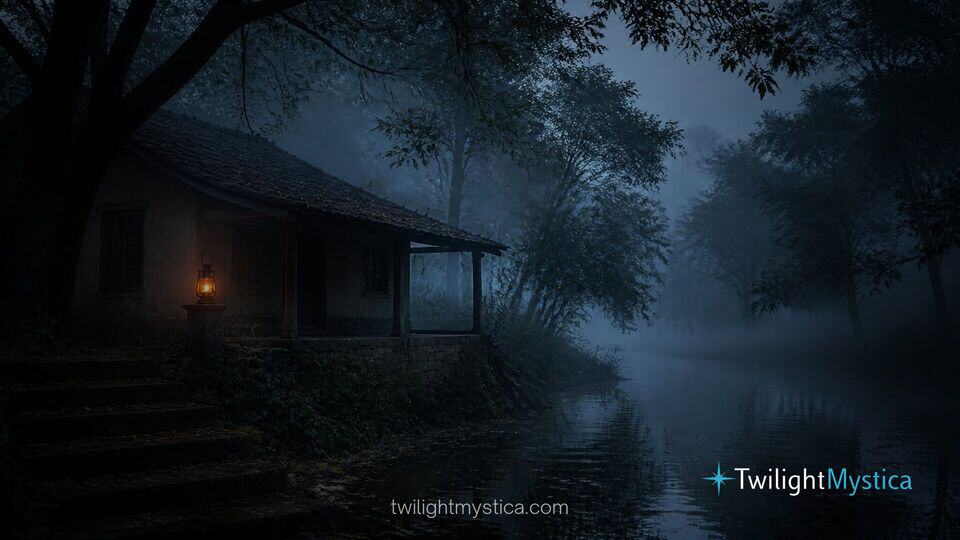
The Petni is one of the most recognizable female spirits in Bengali folklore, a ghostly figure often described as the restless soul of an unmarried woman who died before fulfilling expected milestones of life. In village stories, whispered warnings, and fireside tales, the Petni appears at the edge of ponds, beneath old trees, along empty pathways, or near abandoned homes. The Petni ghost legend is not just a scary story meant to frighten children. It is also a cultural mirror, reflecting social beliefs about womanhood, marriage, loss, desire, and the uneasy boundary between the living and the dead.
Like many folk spirits around the world, the Petni exists in a space between horror and symbolism. To some listeners, she is simply Bengal’s version of the tragic ghost bride. To others, she is closer to a warning sign, like a storm cloud in a story, signaling that something unresolved still lingers. Understanding the Petni means looking beyond the jump scare and into the social imagination that created her.
This explainer breaks down where the Petni comes from, what she is said to look like, how she behaves, how she compares with other female spirits, and why the legend continues to matter even in modern times.
Origins of the Petni Spirit in Rural Bengal
Etymology and Mythological Roots
The word Petni is widely used in Bengali folk speech to describe a female ghost, especially one associated with an untimely death and unfulfilled personal destiny. In many versions of the tale, the spirit belongs to a young woman who died before marriage, often under tragic, lonely, or unjust circumstances. Because traditional Bengali society placed enormous value on marriage as a major rite of passage, dying before it could happen was imagined as leaving the soul incomplete or unsettled.
That idea helps explain why the Petni became such a powerful folk image. In storytelling terms, she represents unfinished business. In social terms, she reflects anxiety around disruption of the expected life cycle. If a wedding marks entry into social completeness, then the unmarried dead woman in folklore becomes the opposite: someone suspended outside the order of family and ritual.
Rural Bengal provided the perfect setting for such legends to grow. Villages were shaped by ponds, bamboo groves, banyan trees, dark footpaths, and open fields that became mysterious after sunset. In that environment, unexplained sounds or disappearances could easily become attached to a spirit figure. A swaying branch, an anklet-like sound in the dark, or a glimpse of white cloth from afar could quickly become “evidence” of a Petni.
Why rural settings matter
Folklore thrives where landscape and imagination meet. In the case of the Petni, lonely places mattered because they already carried emotional weight. A pond at dusk is not merely water; it becomes a threshold. A tree is not merely a tree; it becomes a watchtower for spirits. The legend uses ordinary geography and turns it into emotional theater.
Key Physical Traits and Spectral Behaviors
The Backward Feet and Tree Hauntings
One of the most repeated features in the Petni ghost legend is the spirit’s strange physical appearance. She is often imagined as a woman with long, loose hair, a pale or shadowy face, and clothing that appears simple, tattered, or white. In many tellings, her most disturbing sign is her backward feet. This detail appears in several South Asian ghost traditions and serves an important narrative purpose: it reveals that something looks human at first glance but is deeply wrong.
Backward feet work like a glitch in reality. Imagine seeing a familiar face in a crowd, then noticing the reflection is moving differently from the person. That is the kind of discomfort folklore wants to create. The body appears close enough to human to lure trust, yet different enough to trigger fear.
Petnis are also frequently associated with trees, especially old or isolated ones. In village storytelling, a large tree can act almost like a spirit’s address. It offers height, shadow, secrecy, and permanence. A Petni sitting on a branch, combing her hair, or watching travelers from above is a recurring image because it blends beauty with menace.
Common behaviors in oral tales
- Luring lone travelers: A Petni may appear as a beautiful woman asking for help or company.
- Haunting ponds and riverbanks: Water is often treated as a liminal zone where spirits gather.
- Imitating familiar voices: In some versions, she calls a person by name to draw them away from safety.
- Attaching herself to the vulnerable: People who are grieving, intoxicated, traveling late, or emotionally distressed are common targets in folklore.
These behaviors make the Petni function much like a narrative trap. She is less a monster that attacks openly and more a danger that tests perception, judgment, and caution. In that sense, she resembles the folk warning, “Not everything that seems inviting is safe.”
What the Petni Ghost Legend Symbolizes
At a deeper level, the Petni is not only frightening because she is supernatural. She is frightening because she represents what society failed to resolve. Many traditional ghost stories use spirits to embody guilt, taboo, or grief. The Petni can be read in the same way.
For example, she may symbolize:
- Unfulfilled life transitions: Her unmarried status reflects interrupted destiny.
- Suppressed female emotion: Desire, sorrow, rage, or abandonment return in ghostly form.
- Fear of social disorder: A woman outside accepted roles becomes mysterious and threatening in patriarchal folklore.
- Memory of injustice: When stories hint at betrayal, neglect, or violence, the Petni becomes a figure of unresolved wrong.
An easy analogy is to think of the Petni as a sealed letter that was never delivered. The person is gone, but the message remains. The haunting is the message trying to reach the living.
This symbolic layer is one reason the legend lasts. People may stop believing literally in ghosts, but they continue to understand unfinished grief, denied recognition, and buried fear. Folklore survives when its emotional logic remains true.
Comparing Petni to Other Female Spirits in Bengali Folklore
Bengali ghost lore includes many spirit types, and the Petni is only one among them. Comparing her to others helps clarify her special role.
Petni vs. Shakchunni
The Shakchunni is another famous female ghost in Bengali tradition, usually linked to a married woman. She is often marked by symbols of marriage, such as conch bangles or vermilion. The Petni, by contrast, is associated with the absence of marriage. If the Shakchunni represents disturbed married identity, the Petni represents interrupted unmarried identity. That difference may sound subtle, but in folklore it is central.
Petni vs. Churel-like figures
Across South Asia, there are similar spirits tied to women who suffered tragic deaths, especially in childbirth, abandonment, or social exclusion. The Petni shares some traits with these figures, including beauty mixed with danger and bodily signs like reversed feet. However, Bengali storytelling often gives the Petni a distinctly local setting, with more emphasis on village ponds, trees, and domestic social expectations.
Petni vs. Western ghost archetypes
If a Western audience wants a comparison, the Petni is not exactly like a transparent haunted-house ghost. She is closer to a blend of the ghost bride, the banshee-like omen, and the shape-shifting roadside spirit. Yet even those analogies are imperfect. The Petni is deeply rooted in Bengali ideas of kinship, ritual completion, and the emotional geography of rural life.
Use Cases: How the Petni Functions in Storytelling and Culture
The phrase “use cases” may sound modern, but it helps explain why a legend like this endures. The Petni is useful in several cultural and narrative ways.
1. A cautionary tale
Adults used stories of Petnis to warn children and young people against wandering alone at night, visiting dangerous water bodies, or taking shortcuts through isolated areas. In practical terms, the ghost story encouraged safety.
2. A way to explain the unexplained
Before widespread electric lighting or scientific understanding of every environmental effect, eerie experiences needed interpretation. Strange cries from birds, reflections on water, sleep paralysis, grief hallucinations, or disorientation in darkness could all be folded into the Petni ghost legend.
3. A vessel for social emotion
Folklore often stores feelings that are hard to discuss directly. The Petni becomes a dramatic form for talking about lonely death, broken engagements, lost daughters, and gendered expectations without turning the story into a lecture.
4. A creative archetype in modern media
Even today, the Petni appears in literature, television, comics, online storytelling, and horror conversations. Modern retellings may make her terrifying, tragic, sympathetic, or even darkly humorous. That flexibility keeps the figure alive for new generations.
Examples of How a Petni Story Typically Works
Many Petni tales follow a recognizable pattern. A man returns late from the market. He sees a lone woman near a pond asking for directions. She seems ordinary, but something feels off. Perhaps her hair covers her face, or she speaks too softly, or her feet point the wrong way. If he follows her or answers her call, danger follows. If he notices the sign and invokes prayer, runs home, or avoids eye contact, he survives.
This structure works like a folk version of a suspense film. First comes normality, then anomaly, then revelation. The Petni is effective because she enters everyday life gradually rather than arriving as an obvious monster.
Another common example casts the Petni as a tragic spirit near a tree where she once waited for a lover who never returned. In this version, she is less predator than sorrow made visible. Listeners may feel fear, but also pity. That emotional mix is one of the legend’s strengths.
Why the Petni Still Fascinates Modern Audiences
Modern audiences are often drawn to folklore not because they fully believe it, but because it offers emotional truth wrapped in memorable imagery. The Petni remains compelling for several reasons. She is visually striking, easy to retell, and rich in symbolic meaning. She also invites reinterpretation through feminist, psychological, literary, and cinematic lenses.
Today, someone might read the legend as a ghost story, a study of patriarchal anxiety, or a metaphor for forgotten women in history. All of those readings can coexist. That is the power of folklore: it shifts with the listener while keeping its core shape.
In a world full of polished digital horror, the Petni still feels intimate. She belongs to dirt roads, moonlit water, and the suspicious quiet of a sleeping village. Her fear is slower and more human than many modern monsters. She does not need elaborate effects. A tree, a path, and a wrong-looking pair of feet are enough.
Recap: Why the Petni Ghost Legend Endures
The Petni ghost legend is far more than a tale of a wandering female ghost. It is a layered piece of Bengali folklore shaped by rural landscape, social customs, and emotional memory. The Petni is usually imagined as the restless spirit of an unmarried woman whose death left something unresolved. Her backward feet, tree hauntings, and eerie beauty make her unforgettable, but her deeper significance lies in what she represents: unfinished transition, buried grief, and society’s fear of disrupted order.
Whether treated as a supernatural being, a moral warning, or a cultural symbol, the Petni continues to haunt the Bengali imagination because she speaks to timeless human concerns. She is the shadow of what was denied, interrupted, or never allowed to find peace. That is why the legend still lingers, like a whisper from the village road after dark.