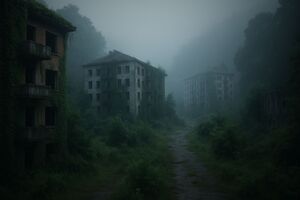
Bangladesh is home to countless myths, legends, and breathtaking natural landscapes. Among them, Chalan Beel stands out for both its scenic beauty and the mysterious folklore that has surrounded it for generations.
Known as one of the largest wetland regions in Bangladesh, Chalan Beel stretches across parts of the northwestern districts. Its vast waterways, seasonal islands, ancient temples, remote villages, and mist-covered horizons have inspired stories of jinn, unexplained lights, ghostly boats, strange cries, and sunken settlements.
Visitors come to Chalan Beel to enjoy peaceful sunsets, boat rides, birdwatching, and the quiet beauty of rural Bangladesh. However, many local residents believe that the wetland reveals a darker and more mysterious side after sunset.
This article explores the location, geography, history, natural beauty, local culture, and haunted legends of Chalan Beel. It also examines some possible natural explanations behind the strange experiences reported in the area.
Location and Geography of Chalan Beel
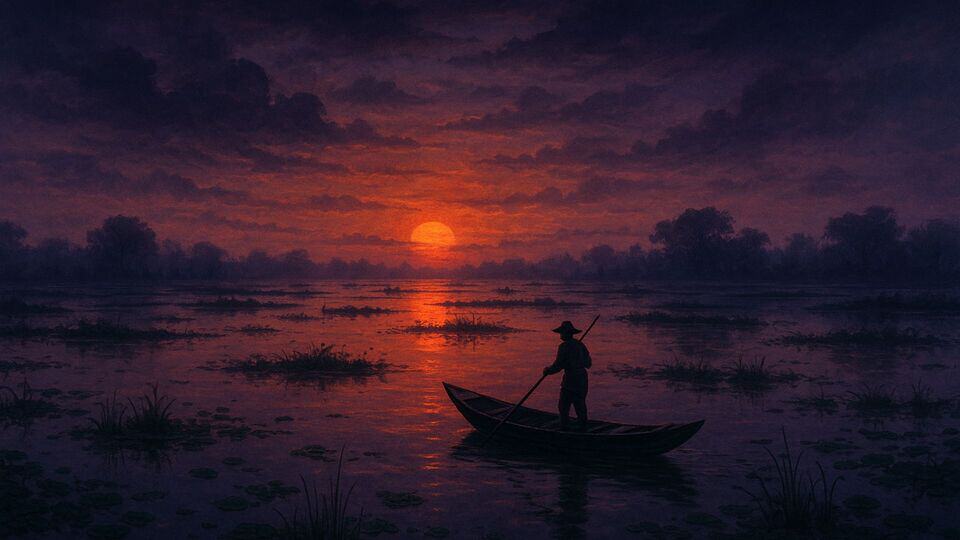
Chalan Beel mainly covers parts of Natore, Pabna, and Sirajganj districts. Historically, the greater wetland region may also have extended toward parts of present-day Rajshahi.
Although it is commonly described as a single beel, Chalan Beel is actually a large network of smaller wetlands, rivers, canals, channels, and seasonal water bodies. These areas become connected during the monsoon season and form a vast inland water landscape.
Chalan Beel lies within the lower Atrai River Basin. Water from the Atrai and other connected rivers enters the wetland during the rainy season. When the surrounding rivers overflow, separate beels and channels merge into one enormous body of water.
During winter, the water level falls considerably. Large areas become dry land, while scattered pools and narrow waterways remain. Farmers then use parts of the exposed land for agriculture, grazing, and seasonal cultivation.
Historical descriptions suggest that the greater Chalan Beel region once covered more than 1,000 square kilometers during the wet season. Over time, siltation, agricultural expansion, land reclamation, road construction, deforestation, and human settlement have reduced its permanent water area.
Its exact size varies by season and by the method used to define the wetland. Even in its reduced form, Chalan Beel remains one of the most remarkable natural landscapes in Bangladesh.
History of Chalan Beel
Chalan Beel has supported human life for generations. Long before modern roads connected the surrounding districts, rivers and waterways served as the main routes for travel, trade, fishing, and communication.
Boats carried rice, fish, jute, vegetables, pottery, timber, and other goods between villages and regional markets. Fishermen, farmers, boatmen, traders, and craftsmen built their lives around the seasonal rhythm of the wetland.
The area also contains old temples, graveyards, abandoned structures, and settlements connected with local landlords, religious figures, and influential families. Over time, these historical places became surrounded by folklore.
Many of the legends associated with Chalan Beel were passed down orally. As a result, different villages may tell different versions of the same story.
Wildlife and Biodiversity of Chalan Beel
Chalan Beel is not only famous for its folklore. It is also an important habitat for fish, birds, aquatic plants, insects, reptiles, and other wildlife.
During winter, migratory birds arrive from colder regions and gather around the remaining pools and shallow water. The wetland becomes especially attractive to birdwatchers and nature photographers during this season.
Native fish species have long supported the livelihoods of local fishing communities. Aquatic plants, reeds, grasses, water lilies, and floating vegetation create shelter and breeding areas for many forms of wildlife.
However, the ecosystem faces pressure from overfishing, wetland filling, pollution, pesticides, unplanned development, and changes in natural water flow. Protecting Chalan Beel is therefore important for both local communities and the wider environment.
Life and Culture Around Chalan Beel
The lifestyle of people living around Chalan Beel changes with the seasons. During the monsoon, boats become one of the main forms of transport. Villages that appear separated during winter may become connected by water during the rainy season.
Fishing remains an important occupation in many areas. Farmers also cultivate rice, vegetables, mustard, pulses, and other crops when the water recedes.
Traditional boat races, village markets, fishing festivals, religious gatherings, and seasonal celebrations are part of the cultural identity of the region.
The wetland has also shaped local language, music, superstition, storytelling, and spiritual beliefs. Many elderly villagers can still recall legends they first heard from their grandparents.
How to Reach Chalan Beel
There are several routes to Chalan Beel because the wetland covers a wide area. Travelers can approach it through Natore, Pabna, Sirajganj, Gurudaspur, Singra, Tarash, or nearby towns depending on the exact destination.
One common route from Dhaka is to cross Bangabandhu Bridge, also known as Jamuna Bridge, and continue toward Sirajganj. From there, visitors can use local buses, auto-rickshaws, vans, motorcycles, or boats to reach different parts of the beel.
Another option is to travel through Natore or Pabna and arrange local transport to nearby villages and waterways.
During the monsoon, boat travel offers the best views of the wetland. In winter, visitors may be able to travel farther by road because more land becomes dry and accessible.
Why Chalan Beel Is Considered Haunted
Over the centuries, many supernatural stories have become associated with Chalan Beel. Most of these legends originate from villages surrounding the wetland, particularly around Tarash, Tadash, and nearby areas.
Villagers speak of sudden possession, strange cries from the water, unexplained lights, footsteps with no visible source, ghostly boats, disappearing figures, and mysterious shadows near temples and graveyards.
Some people believe these events are connected with jinn, restless spirits, cursed places, drowned travelers, or ancient settlements hidden beneath the water.
Others consider them traditional folktales shaped by fear, isolation, darkness, and the unusual natural environment of a vast wetland.
Haunted Legends of Chalan Beel
1. The Three Temples of Tadash
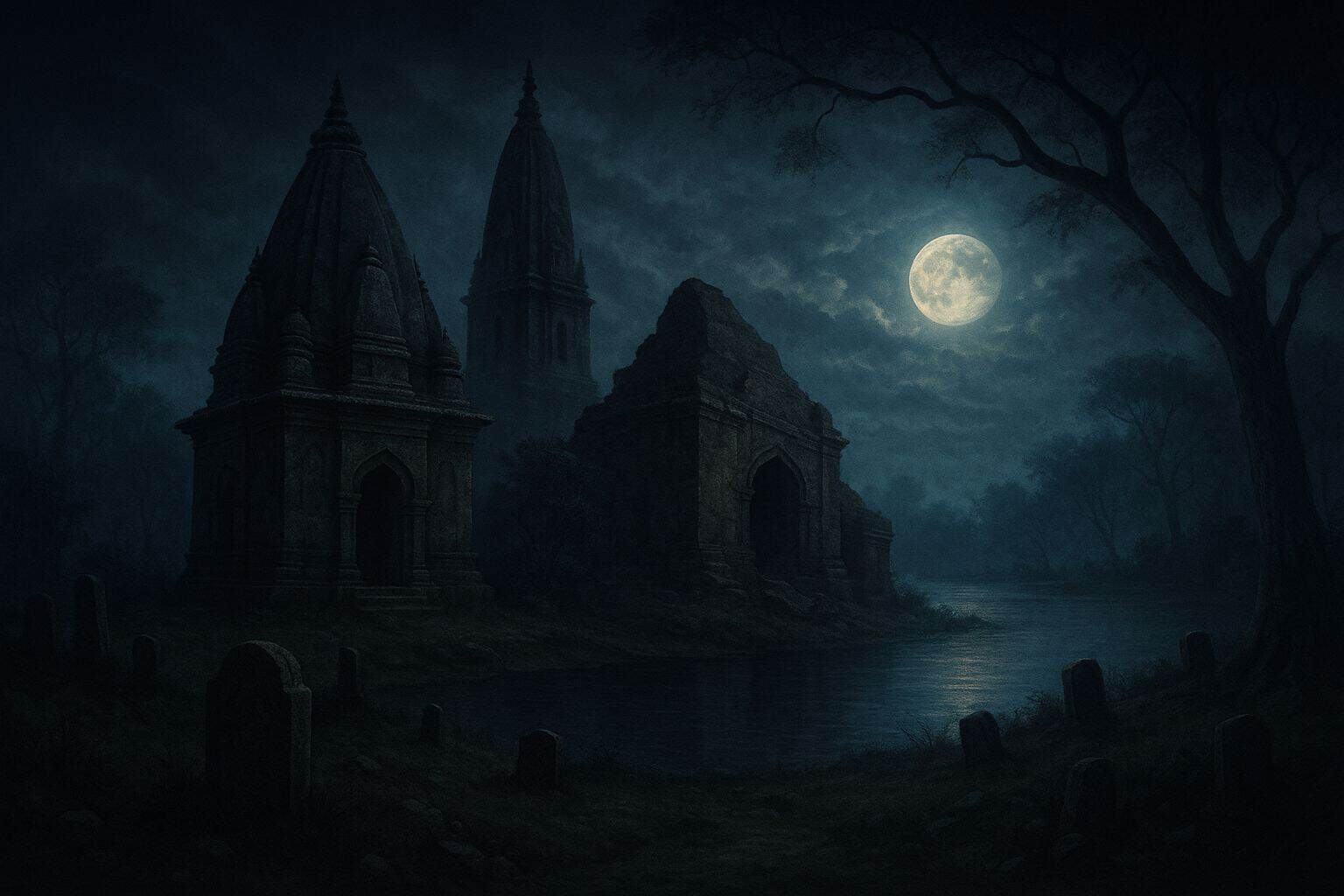
In the village of Tadash, three old temples are linked with one of the best-known supernatural legends of Chalan Beel.
According to one version of the story, a wealthy landlord once lived near the temples. He owned large amounts of land and property. After his death, strange events reportedly began around the area.
Local folklore claims that on the night the landlord died, the three temples rose from the ground through an unseen supernatural force. Before the process was complete, dawn arrived.
One temple was damaged or left incomplete, while the other two remained standing. Villagers later began to believe that sacred daylight had stopped the supernatural event.
The broken temple became the most feared of the three. Some residents believe it is inhabited or guarded by jinn connected with the dead landlord.
People who claim to have visited the area at night have described:
- Footsteps behind them
- Sudden cold winds
- Whispers near the temple walls
- Shadows moving between pillars
- Unexplained cries from the temple grounds
- A feeling of being watched
Some versions of the legend also mention mysterious snakes that appear near the temples during twilight, eclipses, or unusual weather.
2. The Grave of the Mysterious Priest
Another version of the Tadash legend says the grave near the temples does not belong to a landlord. Instead, it is believed to be the grave of a powerful priest or spiritual practitioner.
The man was said to have possessed great wealth, large areas of land, and secret knowledge of occult practices. Some stories claim that he had three wives and that much of his property remained unclaimed after his death.
According to local folklore, supernatural activity increased after he was buried. Villagers reportedly heard cries, footsteps, whispers, and unusual sounds near the graveyard.
Some residents avoid the area after sunset because they believe jinn or unseen guardians protect the grave.
No single version of the story has been confirmed. However, the legend remains deeply connected with the old temples and graveyard of Tadash.
3. The Boat That Never Reaches the Shore
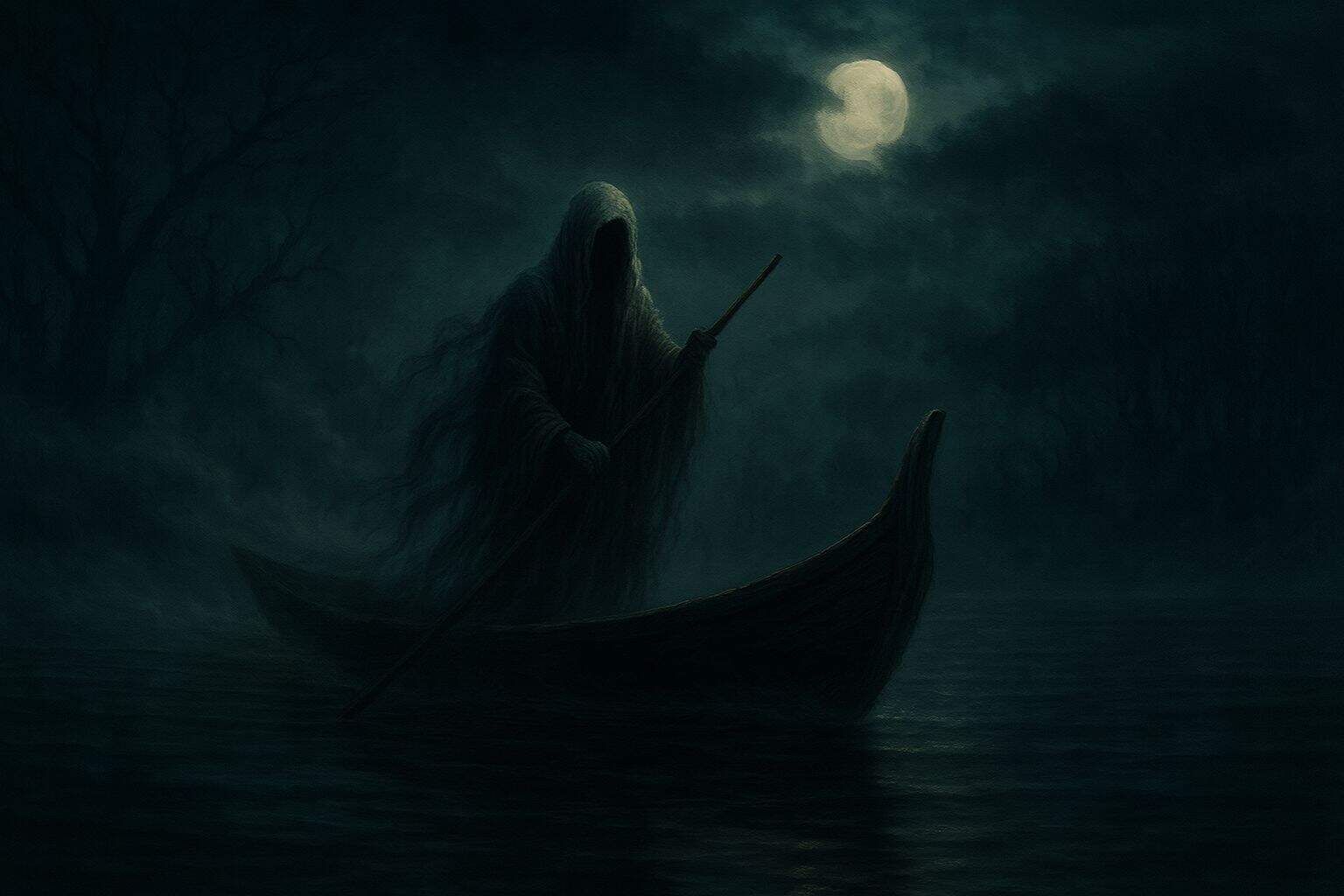
Fishermen sometimes tell stories of a wooden boat that appears far away on the water during dark or moonlit monsoon nights.
The boat seems real and may appear to carry a silent figure. However, when another boat moves toward it, the distance never seems to decrease.
No matter how long the fishermen continue rowing, the mysterious boat remains equally far away. It eventually disappears into fog, darkness, or open water.
Some believe it belongs to the spirit of a drowned fisherman who continues to wander across the beel. Others say it is a trap created by jinn to lure travelers away from safe routes.
4. The Screaming Wind of Tarash
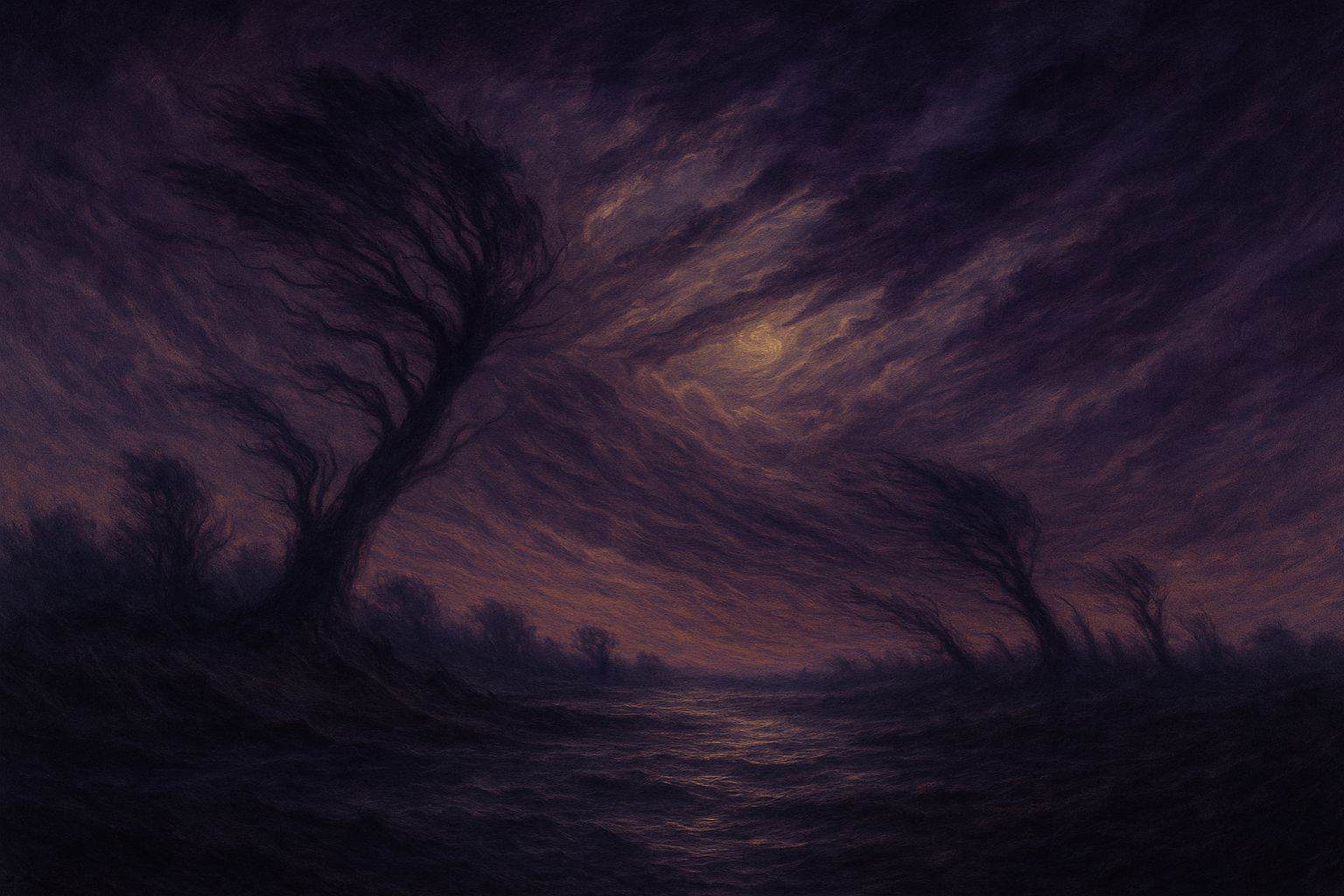
In the Tarash region, some boatmen describe a strange wind that sounds like a human scream.
It reportedly begins as a soft humming or distant cry. Within moments, the sound seems to move closer and burst loudly near the listener's ear.
A local warning says:
“If you hear it, never turn back.”
According to superstition, the sound belongs to a female spirit that tries to attract travelers toward deep water.
Boatmen who believe the legend continue moving forward without looking behind them. They fear that turning around may cause confusion, panic, or even an accident.
5. Footsteps on the Water
On foggy nights, villagers and fishermen claim to have heard slow footsteps moving across open water.
The sound resembles someone walking on a wooden bridge or the deck of a boat. However, there may be no visible person, bridge, or vessel nearby.
The footsteps sometimes stop suddenly. In other accounts, they circle around a boat before fading into the distance.
Elders say the sound may belong to a guardian spirit connected with an ancient settlement that sank beneath the beel.
6. The Blue Lights Beneath the Water
Some fishermen report seeing pale blue or greenish lights glowing beneath the surface of Chalan Beel.
The lights may remain still when observed from a distance. However, when someone moves closer, they appear to separate, scatter, or disappear.
Locals sometimes call these mysterious lights Jolpori Agun, meaning fire associated with water spirits or underwater beings.
Some people believe the lights mark dangerous areas, hidden graves, sunken objects, or places inhabited by jinn.
7. The Sunken Village That Still Speaks
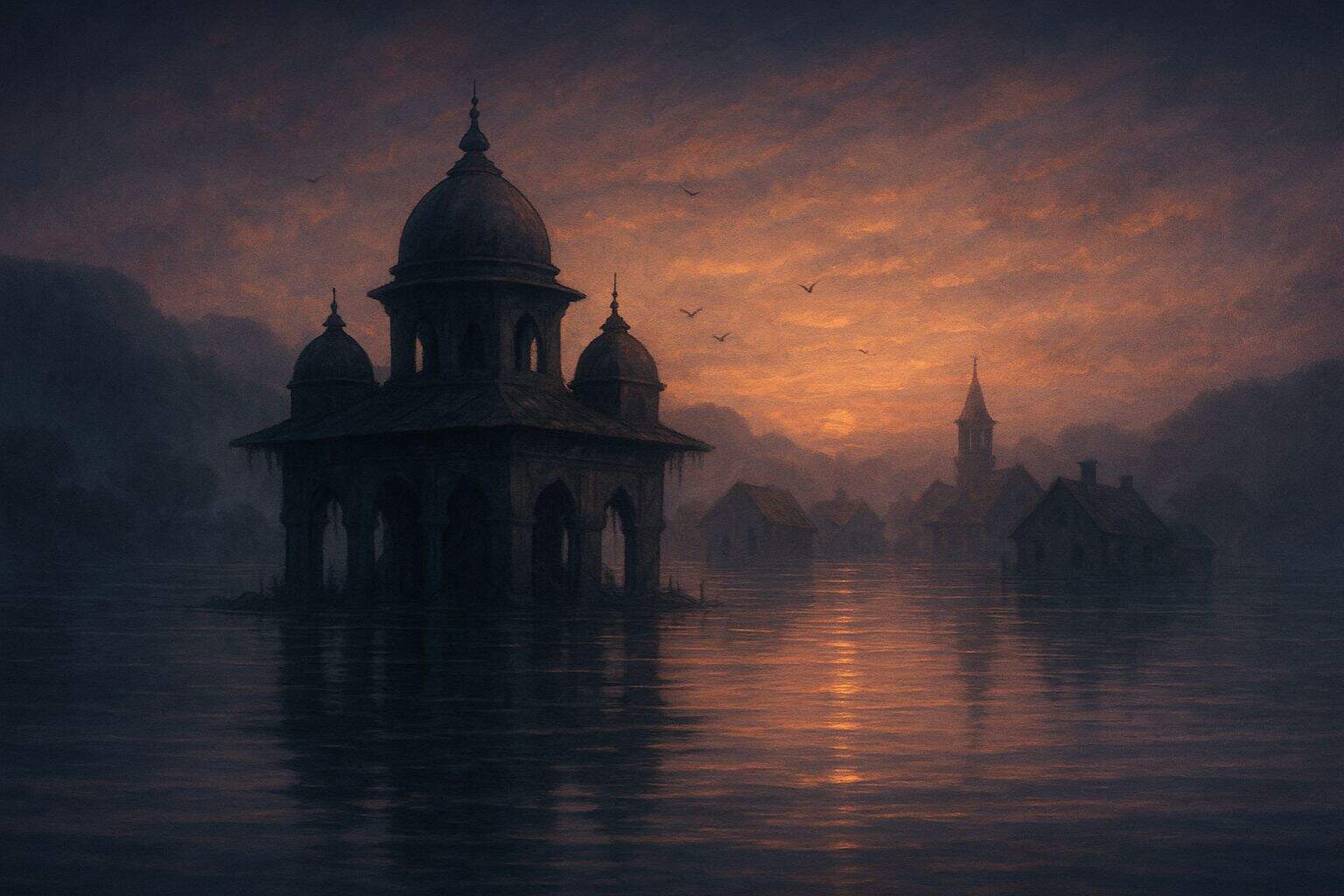
One of the most haunting legends tells of a village that once stood near Chalan Beel.
According to the story, the villagers mistreated or insulted a wandering fakir. Before leaving, he warned them that a disaster would destroy their settlement.
Months later, severe flooding reportedly submerged the entire village. Houses, roads, fields, workshops, and places of worship disappeared beneath the water.
Villagers say that on certain quiet nights, sounds can still be heard rising from below the surface.
These sounds reportedly include:
- Temple bells ringing
- Women whispering
- Children laughing
- People calling one another
- Looms weaving cloth
- Cooking utensils striking together
According to the legend, the drowned village continues its daily life beneath the water, trapped between the past and the present.
8. The Disappearing Passenger
Another lesser-known story involves a mysterious passenger who appears beside lonely waterways after dark.
Boatmen say the stranger asks for passage to a nearby village. He sits silently at the back of the boat and avoids conversation.
When the boat reaches the requested destination, the passenger is no longer there. No splash, movement, or sound is heard.
Some boatmen claim that wet footprints remain inside the boat even though the passenger has disappeared.
9. The Crying Woman Near the Reeds
Fishermen occasionally report hearing a woman crying near tall reeds or isolated patches of vegetation.
The voice sounds close, but no person can be found. When someone calls out, the crying stops. A few moments later, it begins from a different direction.
Local people warn travelers not to follow the sound. They believe it may lead them into deep water, thick vegetation, or an unfamiliar channel.
Natural Explanations Behind the Legends
Like many haunted places around the world, some unusual experiences reported at Chalan Beel may have natural explanations.
The wetland's open water, thick fog, changing weather, marsh gases, shifting currents, wildlife, and unusual acoustics can create conditions that confuse the human senses.
Fog and Optical Illusions
During the rainy season and winter mornings, dense fog may cover large parts of the beel. Objects can appear closer, farther away, larger, or smaller than they really are.
A distant boat may seem to remain in the same position even when someone moves toward it. This may help explain stories about boats that can never be reached.
Moonlight reflected on moving water can also create shapes that resemble people, lights, or floating figures.
Marsh Gas and Mysterious Lights
Decaying plants and organic matter in wetlands can release gases such as methane. Under certain conditions, glowing gases, reflections, bioluminescent organisms, fishing lights, or distant flames may create unusual blue or green lights.
These natural effects may have contributed to legends about underwater spirits and floating fire.
Sound Traveling Across Water
Sound can travel a long distance across open water, especially at night when the surrounding environment is quiet.
A bird's cry, a distant conversation, a boat engine, creaking wood, moving reeds, or metal striking against a fishing vessel may sound much closer than it actually is.
Wind can also distort sound and make it seem as though whispers, screams, or footsteps are coming from different directions.
Birds and Wildlife
Many birds and animals produce unusual sounds at night. Owls, foxes, waterbirds, frogs, insects, and other creatures may create cries that resemble human voices.
When visibility is poor, these sounds can become frightening, especially for travelers who already know the local ghost stories.
Fear, Isolation, and Expectation
People often interpret unclear sights and sounds according to what they expect to experience.
A traveler who has already heard stories about jinn, spirits, or ghostly boats may be more likely to interpret a shadow or distant sound as something supernatural.
However, many residents insist that some experiences cannot be explained by weather, wildlife, light, or sound alone.
Why the Legends Continue to Survive
The haunted stories of Chalan Beel have survived because they are deeply connected with the identity of the local people.
Grandparents pass the legends to children. Fishermen tell younger boatmen about dangerous areas. Villagers warn travelers about places that should not be visited after dark.
These stories also serve practical purposes. A warning about a spirit near deep water may prevent children from wandering into dangerous areas. A tale about a ghostly passenger may discourage boatmen from traveling alone at night.
Folklore preserves memories of floods, drownings, abandoned villages, powerful landlords, religious figures, and historical events that may otherwise have been forgotten.
Whether the legends are true or not, they have become part of the cultural heritage of Chalan Beel.
Adventure and Travel Experience in Chalan Beel
For nature lovers and adventure seekers, Chalan Beel offers a unique experience. Its waterways, floating vegetation, distant villages, dramatic skies, and fog-covered mornings create an unforgettable landscape.
During the monsoon, visitors can explore the beel by boat and watch the sunset over endless water. In winter, the exposed land and shallow pools attract migratory birds and create excellent opportunities for photography.
Travelers interested in folklore may speak with elderly villagers, fishermen, boatmen, and local historians. Many can share stories that have never been formally recorded.
Popular activities may include:
- Boat rides during the monsoon
- Birdwatching in winter
- Landscape photography
- Visiting old temples and graveyards
- Exploring traditional villages
- Listening to local legends
- Experiencing rural food and culture
Safety Tips for Visiting Chalan Beel
Chalan Beel is beautiful, but visitors should remember that a large wetland can also be dangerous.
- Travel with an experienced local boatman.
- Avoid entering unknown channels after dark.
- Wear a life jacket during boat trips.
- Check the weather before traveling.
- Carry a charged phone and power bank.
- Take drinking water, food, medicine, and basic first-aid supplies.
- Avoid standing or moving suddenly in small boats.
- Do not disturb wildlife, temples, graveyards, or local religious sites.
- Respect local customs and beliefs.
- Return before visibility becomes poor unless proper arrangements have been made.
Sudden storms, strong currents, dense fog, submerged obstacles, and unfamiliar routes can make nighttime travel dangerous, regardless of whether one believes in the supernatural.
Best Time to Visit Chalan Beel
The best time to visit depends on the experience you want.
Monsoon Season
During the monsoon, Chalan Beel becomes a vast water landscape. This is the best time for boat rides, open-water views, dramatic sunsets, and photography.
However, travelers should be prepared for rain, strong winds, changing currents, and limited road access.
Winter Season
Winter is ideal for birdwatching, walking through rural areas, visiting villages, and observing agricultural life.
The weather is generally more comfortable, and many migratory birds can be seen around the remaining pools and shallow water.
Frequently Asked Questions About Chalan Beel
What is Chalan Beel famous for?
Chalan Beel is famous for its vast seasonal wetland, natural scenery, fishing communities, migratory birds, rural culture, ancient sites, and supernatural folklore.
Where is Chalan Beel located?
Chalan Beel mainly stretches across parts of Natore, Pabna, and Sirajganj districts in northwestern Bangladesh.
Is Chalan Beel really haunted?
There is no scientific proof that Chalan Beel is haunted. However, many local legends describe jinn, ghostly boats, strange lights, mysterious cries, and unexplained events.
What are the three temples of Chalan Beel?
The three temples of Tadash are old structures associated with a legend involving a landlord or powerful priest. One temple is damaged, and local folklore connects it with jinn and supernatural activity.
What is the best time to visit Chalan Beel?
The monsoon season is best for boat rides and wide water views. Winter is better for birdwatching, photography, and exploring rural areas.
Is Chalan Beel safe for tourists?
Chalan Beel can be visited safely with proper preparation. Travelers should use experienced local guides, wear life jackets, monitor the weather, and avoid unfamiliar waterways after dark.
Can tourists visit the haunted temples?
Visitors may be able to reach the temple area with local guidance. However, access conditions may vary. Travelers should respect local customs, private property, religious sites, and safety advice.
Are the blue lights in Chalan Beel supernatural?
Local legends associate the lights with water spirits. Natural explanations may include reflections, distant fishing lights, gases, bioluminescence, or other atmospheric effects.
Final Thoughts
Chalan Beel is a place where nature, history, culture, and mystery come together. Its endless waterways, seasonal islands, ancient temples, forgotten graveyards, and centuries-old legends continue to fascinate travelers and local residents.
Some people dismiss the haunted stories as folklore shaped by fog, darkness, unusual sounds, and imagination. Others firmly believe that unseen beings still wander across the wetland after sunset.
The truth may never be fully known.
Whether you visit Chalan Beel for its natural beauty, biodiversity, rural culture, historical importance, or paranormal legends, it is likely to leave a lasting impression.
Perhaps the greatest mystery of Chalan Beel is not whether its legends are real, but why the same stories continue to echo across its waters generation after generation.